Why do people shake to calm down?
Shaking practices are everywhere, from old religious traditions to trauma release workshops. Here's what's behind the idea, what the research does and doesn't show, and a gentle way to try it.
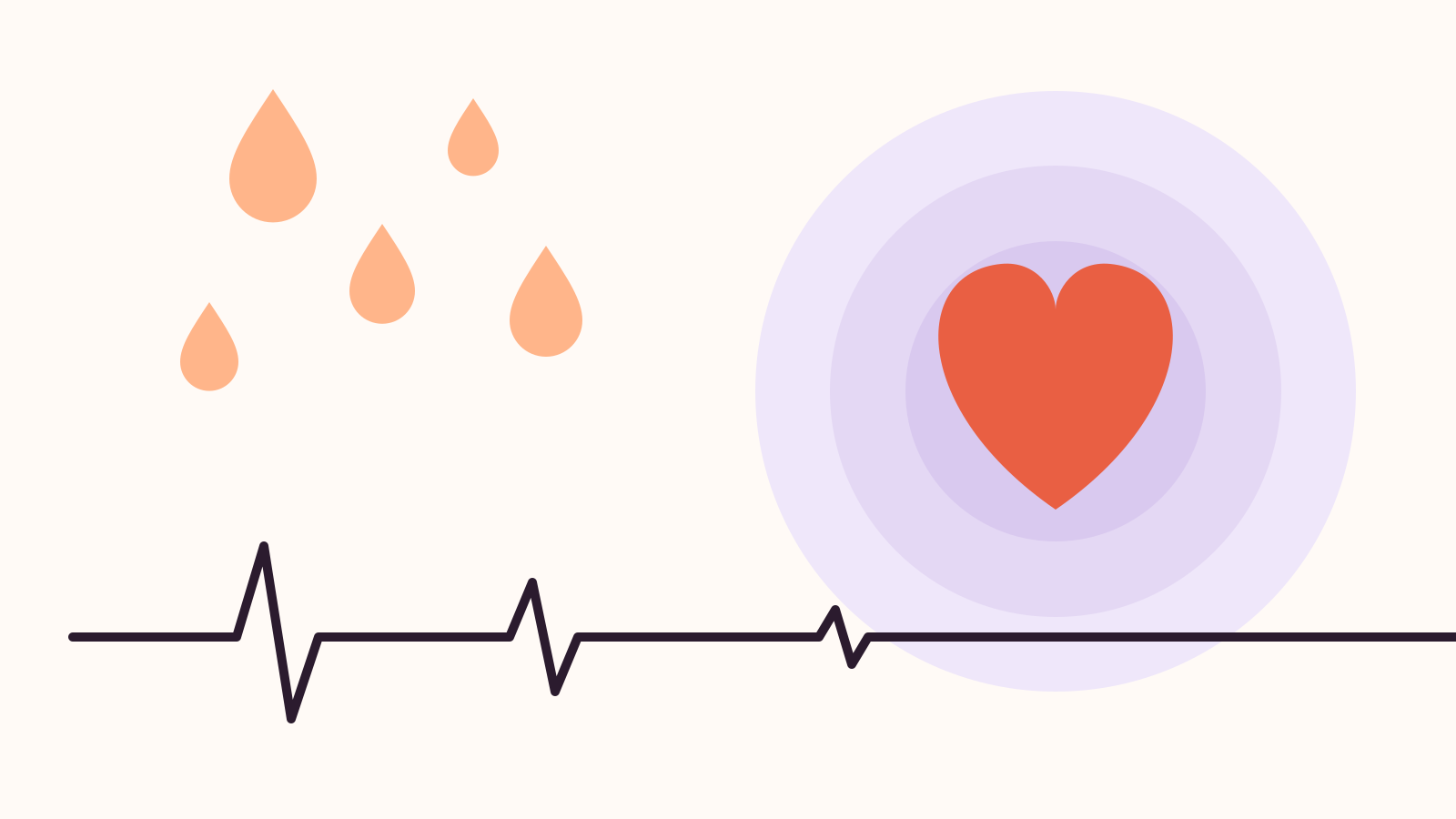
Why cold water on your face slows your heart
The dive reflex is one of the fastest ways your body has of putting the brakes on. Here's what the science says, what older traditions knew, and a two-minute way to try it.
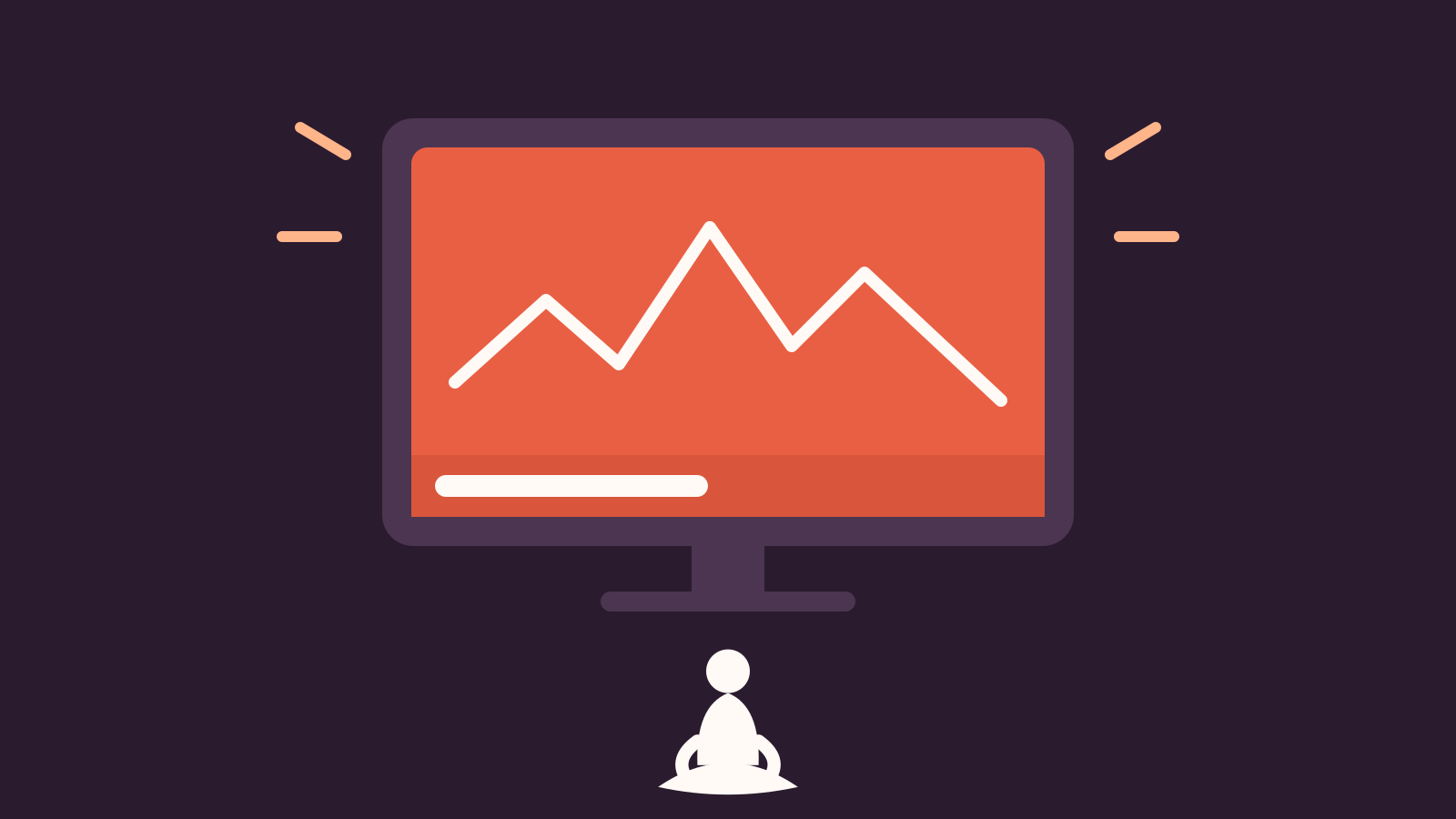
Watching the news can stress you more than being there
After the Boston Marathon bombings, people who took in six or more hours of coverage a day reported more acute stress than people who were actually there. Here's why bad news grips the body, and how to stay informed without being flooded.
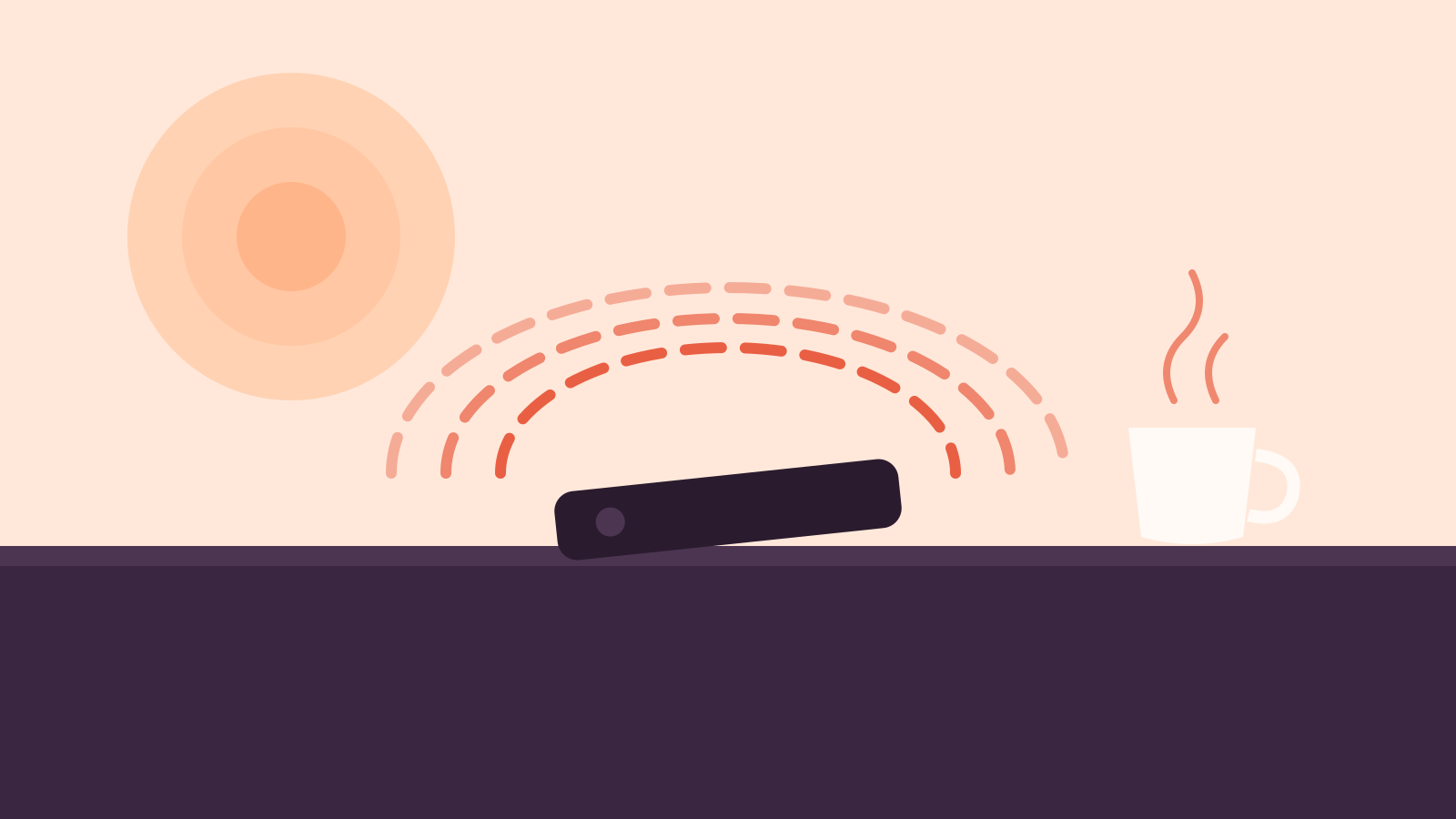
The buzz you ignore still costs you something
A notification you don't even check can still pull your attention off what you're doing. What the research shows, which famous phone finding didn't hold up, and a simple notification audit.
Boredom is where your ideas have been hiding
In one study, many people chose an electric shock over fifteen minutes alone with their thoughts. In another, a boring task made people more creative. Why we run from boredom, and why it might be worth letting it in.
Tired in a way sleep doesn’t fix
Burnout shows up in the body well before we put a name to it. A few thoughts on why, and a five-minute breathing practice you can try today.
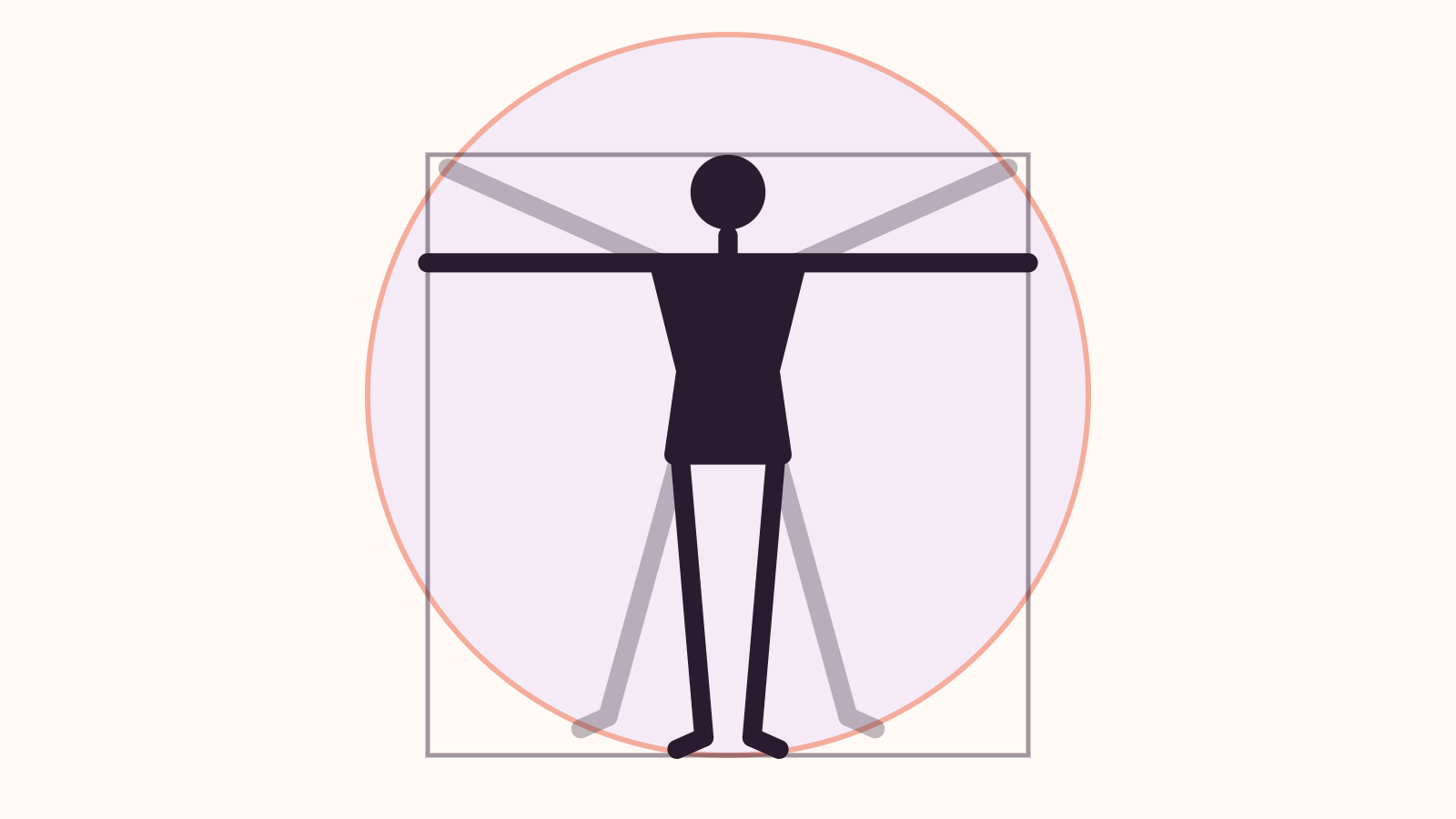
The Vitruvian Man had a body. Do you?
Leonardo’s famous drawing is an old map of a body in balance. What it meant, what older traditions say, what science calls the same sense, and a two-minute practice.
Nobody is watching as closely as you think
Plenty of people want to make something and freeze at the thought of posting it. The spotlight effect, why making things is good for you, and a tiny way to start.

Why it feels like you know people who don’t know you
You can know a podcast host’s coffee order and they have no idea you exist. What parasocial relationships are, what the research says, and one small swap to try.