Before you build a personal brand, come back to your body
Everyone online is told to know their values, their mission and their value proposition. They’re good questions. I think the answers come more easily offline, grounded in your body and in the company of other people.

Binaural beats, 432 Hz and the frequencies that promise to heal
I love a frequency playlist as much as anyone. Here’s what the research says about binaural beats, 432 Hz and solfeggio tones, where the big claims come from, and a simple way to test them on yourself.
There’s no reset button for your nervous system
My feed is full of ways to reset your nervous system in sixty seconds. The experts say there’s no such thing, and that we shouldn’t want one. What the science says, how reset content gets made, and what to aim for instead.
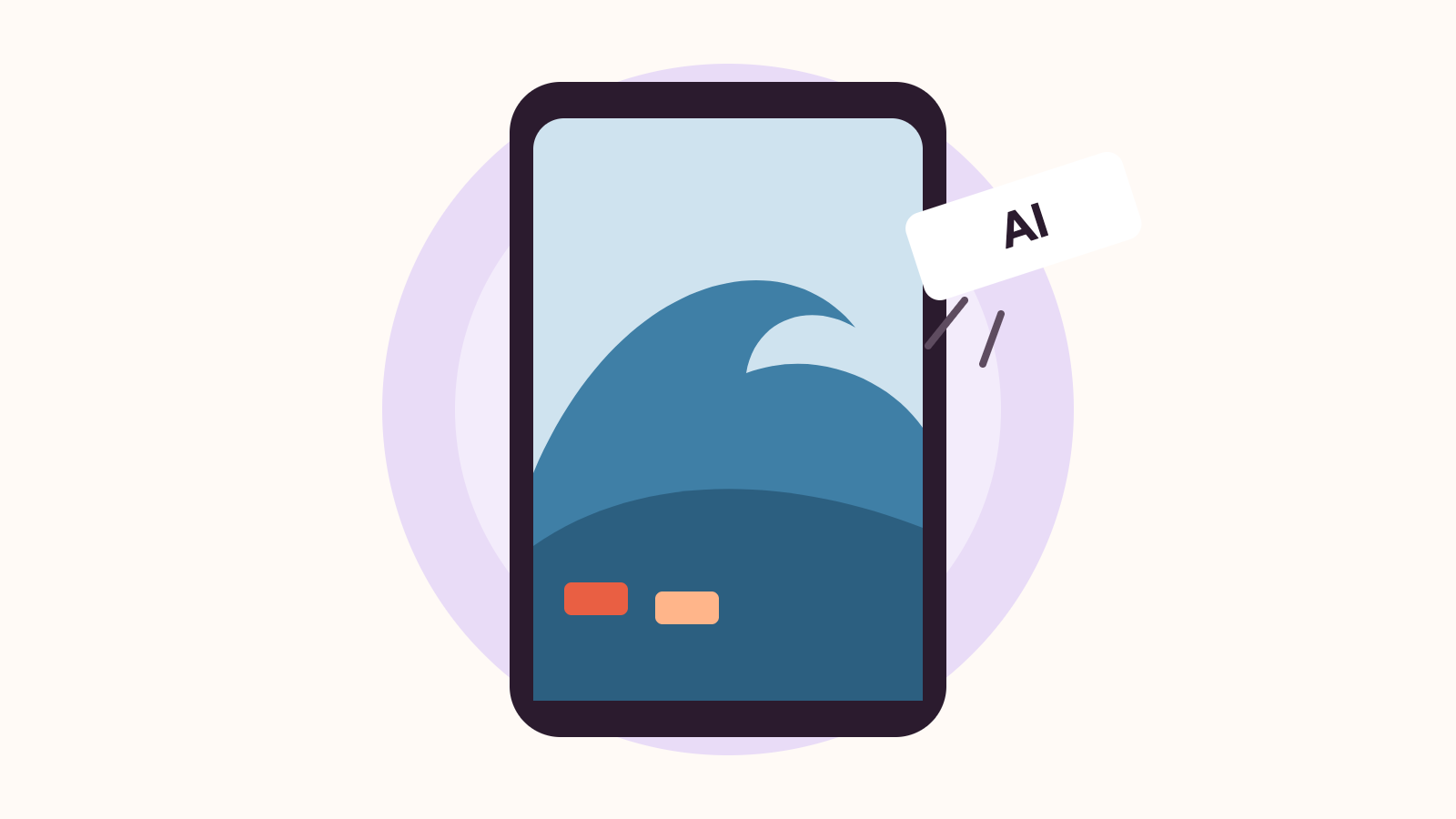
How this was made: the giant waves that never hit Gordon’s Bay
A dramatic video of waves flooding a South African beach town spread this week. It was made with AI. How fact-checkers caught it, what a clip like this does to your body, and a short check to run before you share.
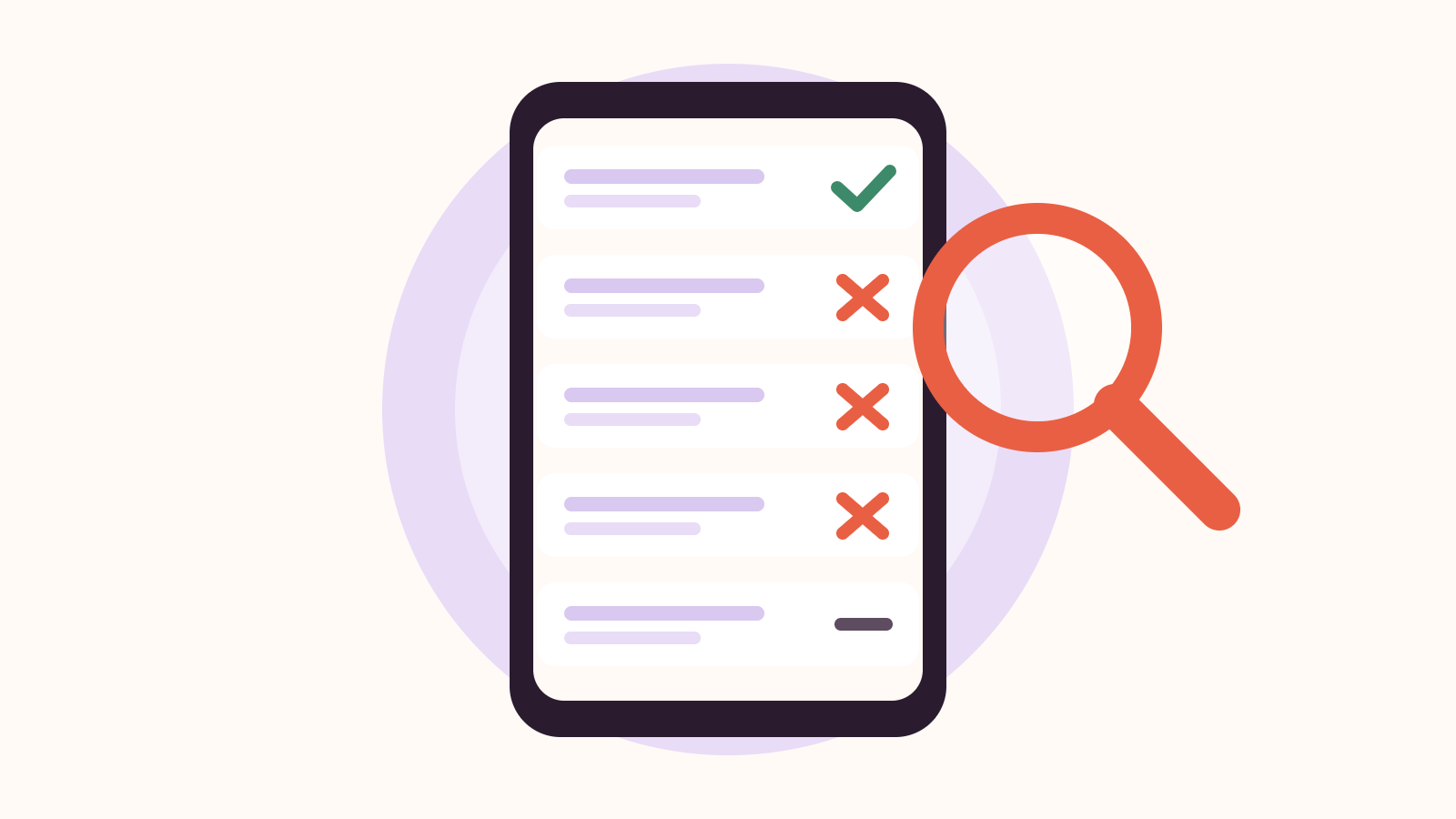
I put five wellness trends to the test
10,000 steps, dopamine detoxes, mouth taping, cortisol face, and one from my own field. What the evidence actually says about each, which ones are worth keeping, and how to test the next trend yourself.
Shoulder to shoulder: why blokes talk better side by side
Men’s Sheds have a saying: men don’t talk face to face, they talk shoulder to shoulder. What the research on sheds and walking groups shows, why side by side can feel safer to the body, and how to use it with a mate this week.
The loneliness men don’t put a name to
Social isolation in Australia has nearly doubled in twenty years, and for men loneliness tends to peak in their forties. Why it’s so hard to name, what it does to the body, and the smallest place to start.
What kids' bodies need, ban or no ban
A year after Australia restricted social media for under-16s, most kids are still online. Whatever you think of the ban, the bigger question is what children's bodies need, and most of it happens away from screens.
Asking R U OK? is the easy part
The question takes two seconds. What happens after it is where most of us get stuck. Why listening matters so much to the body, and how to stay with someone without trying to fix them.
Dementia is now Australia's biggest killer. Nearly half of it may be preventable
Dementia has overtaken heart disease as Australia's leading cause of death. The good news is in the fine print: a large share of it is tied to things we can change, starting long before old age.